Building a Modeling Portfolio on a Real-World Budget
Trade shoots, college photography programs, how to vet photographers (and stay safe), and why you don’t need to be 5’9” and a size zero — practically anyone can model once you know your lane.
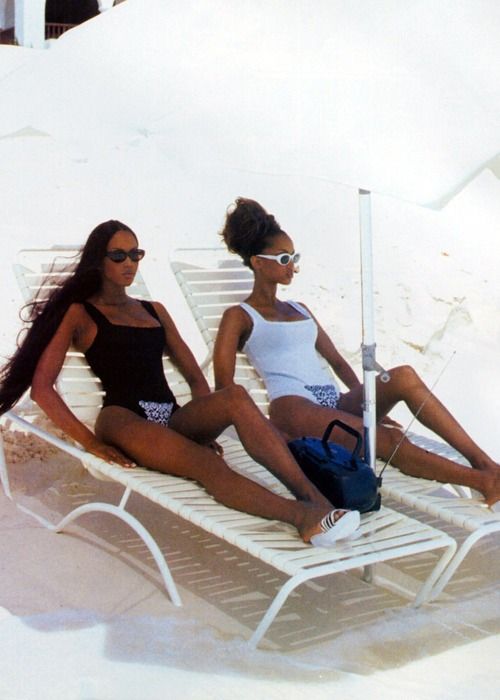
You do not need thousands of dollars to build a modeling portfolio. I built my early book with trades, student shoots, and a lot of research — and it carried me to runways in Paris and Milan. Here’s the exact playbook.
Start with trade shoots (TFP)
“Trade for print” (TFP) means you and the photographer both work free and both keep the images. New photographers need models exactly as much as new models need photographers. Search Instagram for “TFP + your city”, look at local photographer hashtags, and pitch politely with your digitals and a clear concept. Two or three good trades can fill an entire starter portfolio.
Use colleges — seriously
Find colleges near you with a fashion program, a photography department, or a student studio, and volunteer to model for students. Fashion students need bodies for lookbooks and senior collections; photo students need portrait subjects for assignments. The work is supervised, the students are hungry to experiment, and you walk away with editorial-style images most beginners can’t afford. Email the department or follow the program’s Instagram — they post calls constantly.
How to vet a photographer — and stay comfortable
Look for a consistent, public body of work — a real portfolio site or a tagged history of models who look comfortable, not just a grid of reposts.
Message models they’ve shot and ask about the experience. Legit photographers expect this.
Agree on usage, concept, wardrobe, and deliverables in writing before shoot day.
Bring an escort to early shoots, meet in public or studio spaces, and share your location with someone.
Red flags: pressure to shoot styles you didn’t agree to, “trust me” instead of answers, no contract, or anyone who discourages you from bringing someone. Walk away — no photo is worth your safety or comfort.
You don’t need to be 5’9” and a size zero
The industry is so much wider than runway. There is commercial modeling (real brands selling real products to real people), parts modeling (hands, feet, hair — a whole thriving niche), fit modeling, print and lifestyle, curve, petite, maternity, mature and silver models, and “real people” casting that ad agencies actively search for. Pregnant women model. Grandparents model. People with scars, braces, wheelchairs, and gray hair model — because brands need their customers to see themselves. Practically anyone can be a model once they stop chasing the one lane that wasn’t built for them.
Find your lane, then build for it
Study which models book the work you want and what their books look like. A commercial model needs warm, smiling, believable images; a parts model needs impeccable detail shots; an editorial hopeful needs range and strong angles. Keep clean digitals updated every few months, shoot trades intentionally to fill gaps, and submit to local agencies once you have six to ten strong images. Your portfolio isn’t about being everyone’s type — it’s about being unmistakably yours.
LOS ANGELES, CA —

34.0522°N 118.2437°W
M